







Search Results for: Cappuccino Origins

Why Isn't Cappuccino Served Iced? A Complete Interpretation from Its Naming Origins to the Golden Circle Tradition
Cappuccino is a classic of Italian coffee, but it has a characteristic that leaves many baristas rather helpless—it is only made hot. Why is there no iced cappuccino? Behind this lie both the historical origins of its naming and the finer points of its crafting. From the etymology of the Italian word "Cappuccino," to the inspiration drawn from the shape of the hoods worn by missionaries of the Catholic Franciscan order, to the "coffee golden ring" and the dense milk foam rising above the rim of the cup, every detail of cappuccino carries tradition. Front Street will guide you through the core characteristics of cappuccino, and why an iced cappuccino struggles to recreate the joy of that hot cup. [more…]

Should Cappuccino Have Latte Art? A Complete Analysis from Historical Origins to Preparation Details
Cappuccino is one of the most common milk coffees on café menus, yet its definition has always been evolving. From the "Kapuziner" of 18th-century Vienna to today's modern version topped with latte art, what changes has this classic drink undergone? Does an authentic cappuccino really need latte art? This article traces the origins of cappuccino, sorts out its evolution from coarse milk foam to dense microfoam, analyzes the origins of the traditional 1:1:1 ratio and the "golden ring," and explores how latte art has made cappuccino's milk foam thinner and thinner. At the same time, we will also consider: once a cup of coffee departs from these core features—a small cup size, filled to 11 parts, and thick milk foam—can it still be called a cappuccino? [more…]

The Standard Method for Italian Cappuccino and Espresso Dosage: From Historical Origins to the Difference Between Milk and Coffee
Cappuccino is one of the most iconic milk coffees in Italian espresso culture. Along with the latte, it belongs to the milk coffee family, yet its identity is entirely different—cappuccino is a classic drink exclusive to Italy, whereas the latte is not uniquely Italian. Today, the cappuccinos and lattes served in many coffee shops look almost identical, with the only remaining difference being the thickness of the milk foam, which has gradually blurred the true face of traditional cappuccino. This article traces the historical origins of cappuccino, explores the written records that predate the invention of the Italian espresso machine, analyzes the connection between its name and the robes of Franciscan friars, and explains the espresso dosage and key preparation points of an authentic Italian cappuccino, helping you rediscover this classic milk coffee. [more…]

Why Is Iced Cappuccino Rarely Seen? A Full Analysis from Naming Origins to Milk Foam Craft and Differences from Latte
People often ask for an iced cappuccino when ordering, only to be told that only the hot version is available. This has both historical roots and involves considerations of crafting technique and taste experience. The name cappuccino comes from Italian and is related to the color and shape of church robes; the traditional recipe consists of equal thirds of espresso, hot milk, and hot milk foam. Milk foam is also divided into dry and wet types, affecting the durability of the design and the mouthfeel. To meet diverse needs, chain coffee shops add whipped milk foam on top of an iced latte, but the taste differs noticeably from a hot cappuccino enjoyed in-house. This article will also introduce practical methods for making iced milk foam using a nitrogen canister, gelatin sheets, or a French press, and explain the core differences between cappuccino and latte in ratio and flavor, while preserving relevant suggestions from Front Street Coffee. [more…]

Espresso Milk Coffee Recipes | What Coffee-to-Milk Ratio Tastes Best? Latte, Cappuccino, and Flat White: Taste Characteristics and Origins
Latte, cappuccino, and flat white are three milk coffee categories that are almost always staples in coffee shops. This article will help you clearly distinguish the differences between these three milk coffees. Since most people have had some exposure to these three milk coffees, here is a brief introduction to their origins. Modern latte and cappuccino [more…]

A Complete Analysis of the Origins of Espresso Drink Names: The Stories and Differences Behind Cappuccino, Latte, and Americano
Cappuccino, latte, Americano—where exactly do these familiar Italian coffee names come from? And what are the essential differences between them? Starting from Front Street's production practices, this article provides a detailed breakdown of the recipe ratios, flavor characteristics, and naming origins of these three classic coffees. You'll learn how cappuccino got its name from monks' attire, why ordering a latte in Italy can lead to an embarrassing misunderstanding, and how Americano was born from the drinking habits of American soldiers. The article also includes the specific parameters and flavor performance of Front Street's classic blend and Huakui beans when making different coffees, making it suitable for coffee enthusiasts who want to gain a deeper understanding of Italian coffee culture. [more…]
Latte vs. Cappuccino: A Comprehensive Analysis—From Milk Foam Ratio, Taste and Flavor to Origins and History
Latte and cappuccino are the two most frequently ordered espresso milk coffees in coffee shops, both based on espresso with milk and milk foam added, similar in appearance yet each with its own character. Many coffee lovers wonder: what exactly is the difference between these two drinks? This article, from the perspective of a Front Street Coffee barista, first clarifies the category classification of latte and mocha, then compares latte and cappuccino item by item around milk foam thickness, latte art performance, ingredient ratios, and mouthfeel, while also tracing the origins and historical development of the two coffees. The article also incorporates the flavor performance of Front Street's specialty blend coffee beans to help readers make a more suitable choice based on their own preference for coffee strength. [more…]

Tracing the Origins of Espresso Drink Names: An Analysis of the Origins of Espresso, Americano, Latte, Cappuccino, and Mocha
Behind every classic espresso drink lies an interesting piece of history. Why is Espresso called "fast"? Was Americano really invented by American soldiers? Is latte originally just milk in Italian? Does cappuccino really get its name from a monk's robe? And mocha—does it refer to a port, a coffee bean, or that chocolate-flavored drink? In this article, Front Street Coffee walks you through the naming logic and historical origins of these common espresso drinks, from the espresso machines of the early twentieth century, to the U.S. military cafés of World War II, to the arrival of caramel macchiato in the 1990s, explaining the stories behind the names all at once. [more…]

The Complete Guide to Flat White: Origins, Recipe, and Key Differences from Latte and Cappuccino
Flat White, known to more people in China as "Fu Rui Bai," is a milk coffee with a more pronounced coffee flavor and thinner milk foam than a latte. It originated in Oceania, where Australia and New Zealand are still competing over who invented it, and baristas in the two countries also have different preferences when it comes to choosing the espresso base. After Starbucks introduced it to the Chinese market in 2015, this once-obscure drink quickly became popular. So what exactly is the difference between a Flat White, a latte, and a cappuccino? Front Street Coffee will compare them one by one across several dimensions—cup size, milk foam thickness, espresso dosage, and flavor and mouthfeel—to help you sort out the differences among these three classic milk coffees and find the cup that suits you best. [more…]

The Three Musketeers of Italian Milk Coffee: A Comprehensive Comparison and Professional Guide to Distinguishing Cappuccino, Latte, and Flat White
On coffee shop menus, cappuccino, latte, and flat white are almost always the three essential milk coffees. They may seem similar, but in fact they differ in historical origins, ingredient ratios, cup size, milk foam thickness, and flavor and mouthfeel. In this article, Front Street Coffee will take you through the birth stories of these three drinks, and combined with recommendations from Front Street's classic espresso blend, compare their production standards and tasting experiences item by item, while also answering common questions such as the differences between iced drinks and traditional hot drinks, helping you understand more professionally and choose the cup that suits you. [more…]

How to distinguish a latte, cappuccino, and flat white? A comprehensive analysis from origin and ratios to milk foam thickness
Latte, cappuccino, and flat white are the three most common milk coffees in coffee shops, yet many people still can't tell them apart. This article begins with the historical origins of the three, tracing the evolution of cappuccino from Viennese Kapuziner to Italian espresso, as well as the background of flat white's birth in Oceania. It then compares them one by one across dimensions such as cup size, number of espresso shots, amount of milk, milk foam thickness, and flavor and mouthfeel, helping readers establish clear standards for distinguishing them. The article also introduces the recipe and roasting characteristics of Front Street Coffee's classic espresso blend beans, and answers the question of whether these three milk coffees can be made iced, while recommending Dirty coffee as an alternative to iced milk coffee. [more…]
What exactly is the difference between a flat white, a latte, a cappuccino, and a white coffee? A detailed explanation of milk foam, ratios, and origins in one article
Walk into any coffee shop, and the menu always features these classic milk coffees: Flat White, Latte, Cappuccino, and Australian White. They all look like espresso with milk, yet each tastes distinctly different. What exactly sets them apart? Is it the ratio of milk to coffee, or the texture and thickness of the milk foam? This article will take you through the controversial origins of the Flat White, clarify the relationship between Italian coffee and Australian coffee, and use specific ratio data to visually compare the subtle differences among these four coffees in terms of espresso, steamed milk, and milk foam. Whether you prefer a silky texture or favor thick milk foam, after reading this, you'll be able to find the cup that's right for you. [more…]

Espresso Machine Practical Guide: A Full Analysis of the Steps for Making Cappuccino and Latte and Their Taste Differences
Cappuccino and latte both originate from the combination of espresso and milk, but their preparation methods, ingredient ratios, and final flavors each have their own distinct characteristics. This article takes a practical approach, comparing the specific differences between these two coffees in terms of milk foam handling, latte art performance, taste layers, and historical origins, helping coffee enthusiasts understand the basics while mastering the key points for making them at home with an espresso machine, and recommending suitable espresso bean choices. [more…]

From Espresso to Dirty Coffee: A Full Analysis of the Origins and Evolution of Common Italian Coffees on Coffee Shop Menus
Walk into any coffee shop, and those familiar names on the menu—latte, cappuccino, flat white, americano—all actually stem from the same base: espresso. But have you ever wondered why these coffees are called what they are? And what origins do they each have? This article will take you through the birth stories of espresso, americano, cappuccino, latte, mocha, macchiato, caramel macchiato, flat white, and Dirty one by one, from Italian coffee houses to Australian coffee culture, and then to Japanese creative inspiration, to understand the historical threads behind each cup of coffee. After learning about these origins, perhaps you'll taste more the next time you savor them. [more…]
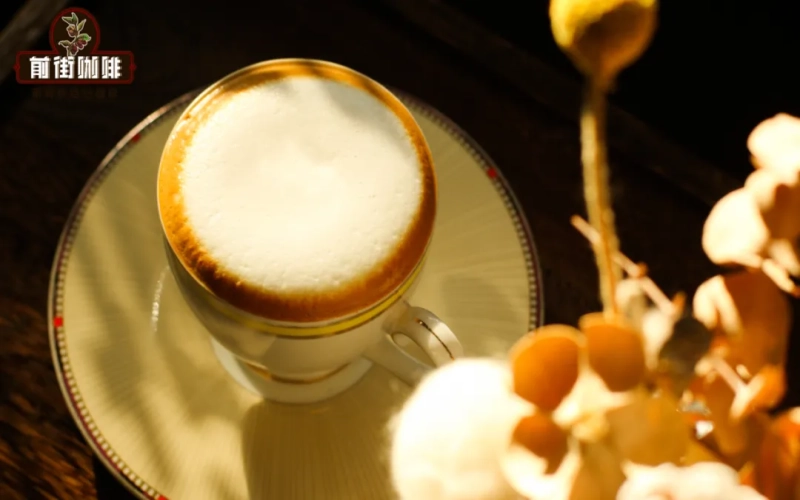
What is the professional name for a cappuccino cup? A detailed explanation of standard capacity specifications and the dry/wet distinction
Where does the name cappuccino come from? What exactly is the difference between it and a latte or a flat white? Why do some people prefer a "dry" cappuccino while others like it "wet"? This article starts with the historical origins of cappuccino and explains in detail the professional name for a cappuccino cup, the standard capacity specifications, and the core differences between dry and wet cappuccinos in terms of milk foam texture and mouthfeel. It also draws on Front Street Coffee's actual experience at its stores to help you make an authentic cappuccino with a golden ring at home. [more…]
Why Isn't Cappuccino Served Iced? The Origin of the Name and the Art of Golden Circle Milk Foam
Cappuccino is a classic on the coffee menu, but when you order an iced cappuccino from a barista, they often look troubled. Behind this lies both the historical origins of the name and the physical properties of milk foam and coffee crema. This article will trace the evolution of the name "cappuccino" from the beginning, explain why the traditional standard known as the "coffee golden ring" came to be, and analyze why iced cappuccino is almost never seen. It will also explain the drinking awkwardness caused by overly thick milk foam and unstable structure in hot cappuccino, as well as Front Street Coffee's related recommendations on milk foam handling, to help you understand this Italian classic more comprehensively. [more…]

A Complete Guide to the Espresso Family: From Espresso to Flat White, the Origins and Making of Common Menu Items
Walk into any café and the espresso menu is dazzling—espresso, Americano, cappuccino, latte, mocha, macchiato, flat white, dirty coffee… Each has its own distinct flavor, and each has its own story behind it. Many people have drunk them but may not necessarily understand how they came to be, how they were named, or how they should be made. This article, from the perspective of Front Street Coffee, sorts through the origins and recipes of these common espresso drinks one by one, to help you better appreciate the finer points of each cup as you drink. [more…]

What Exactly Is the Difference Between an Americano, a Latte, and a Cappuccino? A Comprehensive Analysis from Recipe Structure to Taste
Walking into a coffee shop and facing a menu of Americano, Latte, and Cappuccino, many people recognize the words but can't quite explain how they actually differ. All three are based on espresso, but the proportions of water, milk, and milk foam added vary, resulting in distinctly different flavors and mouthfeels. This article will systematically sort out the differences between Americano, Latte, and Cappuccino from three angles: historical origins, recipe evolution, and structural comparison. Combined with Front Street Coffee's actual in-store serving plans, it will provide specific extraction parameters and preparation methods, helping coffee enthusiasts stay well-informed whether ordering or making these drinks themselves. [more…]
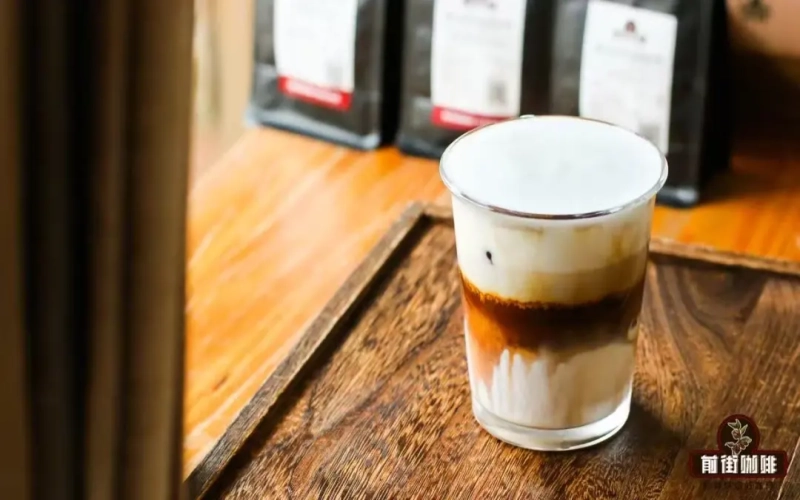
A New Way to Make Iced Cappuccino: Mixed Frothing and Teacup Presentation, with Detailed Parameters for Easy Home Preparation
The milk foam of an iced cappuccino is usually whipped separately and not blended with the coffee, which leaves the foam itself rather tasteless and instead highlights the bitterness of the coffee. So someone tried mixing all the cappuccino ingredients together and whipping them as one, and the result was a milk foam full of coffee aroma with a unique flavor. A coffee shop in Beijing used exactly this mixed whipping method, paired with a lidded-bowl presentation, and quickly went viral online. Today Front Street is sharing how to make this unique iced cappuccino; the ingredients are for reference only and can be freely substituted. This time we're using Front Street's classic espresso blend, a medium-dark roast blended from three origins—Indonesia, Brazil, and Vietnam—with notes of chocolate, caramel, cream, and nuts, and a rich crema. All you need to make it is a French press: combine a double espresso, chilled fresh milk, and syrup, then whip. It's simple to do and perfect for trying at home. [more…]

What's the Difference Between a Cappuccino and a Latte? A Detailed Guide to Iced Cappuccino and Coffee-to-Milk Ratios
Cappuccino and latte are both Italian milk coffees, yet they often leave people utterly confused about how to tell them apart. Many enthusiasts have noticed that chain brands are rolling out iced cappuccinos one after another, while specialty coffee shops rarely offer them—behind this lies both a consideration of taste and a real practical challenge in preparation. From Front Street's perspective, this article first traces the naming origins and Italian tradition of cappuccino, then compares it item by item with latte in terms of core differences such as milk foam thickness, coffee-to-milk ratio, and cup volume, and finally breaks down in detail the specific steps and key points for making an iced cappuccino, helping you recreate that refreshing, clearly layered taste at home. [more…]